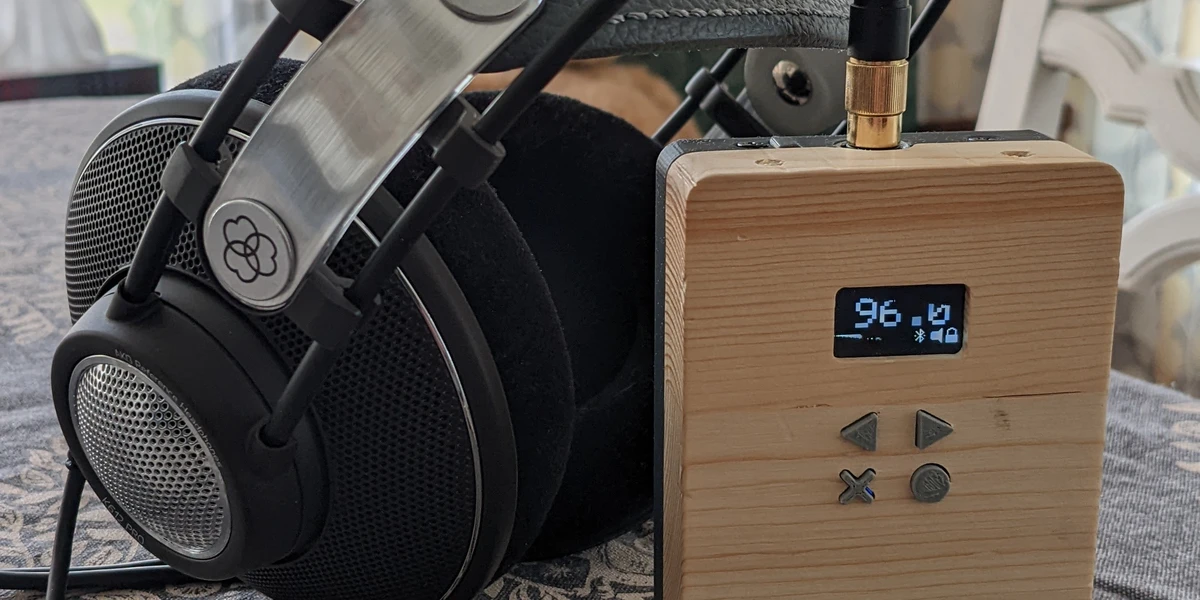
BluMan - Overengineered Bluetooth Headphone Amplifier
High-fidelity Bluetooth headphone amplifier with LDAC and aptX HD support, featuring premium DAC and OPA1622 amplification
Overview
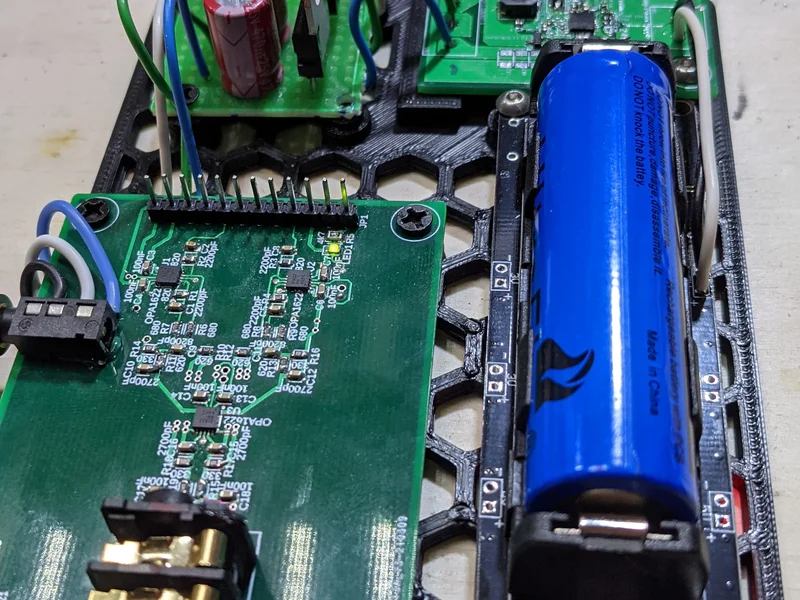
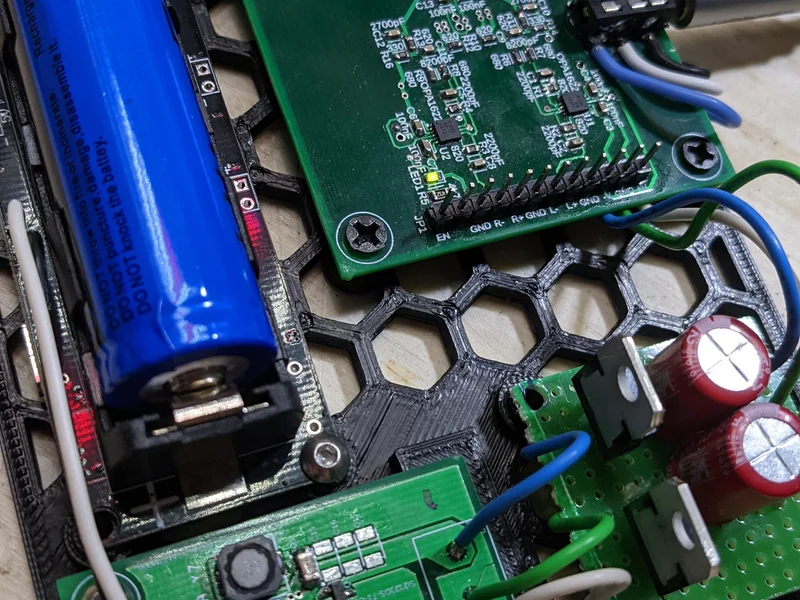
BluMan is a battery-powered LDAC Bluetooth headphone amplifier that began as a pandemic side project and gradually turned into a compact mixed-signal audio system. It combines Bluetooth audio, I²S digital audio routing, an ESS ES9010 DAC, an OPA1622 headphone output stage, lithium battery power, onboard charging, split-rail analog supplies, an OLED status display, and microcontroller-based control.
The goal was not to invent a new amplifier topology. The analog output stage deliberately follows the OPA1622 manufacturer reference design. The interesting part of the project was the system integration: taking a high-resolution Bluetooth audio module, feeding a proper DAC, generating clean analog rails from a battery source, controlling power and mute sequencing, and packaging the whole thing into a small portable enclosure.
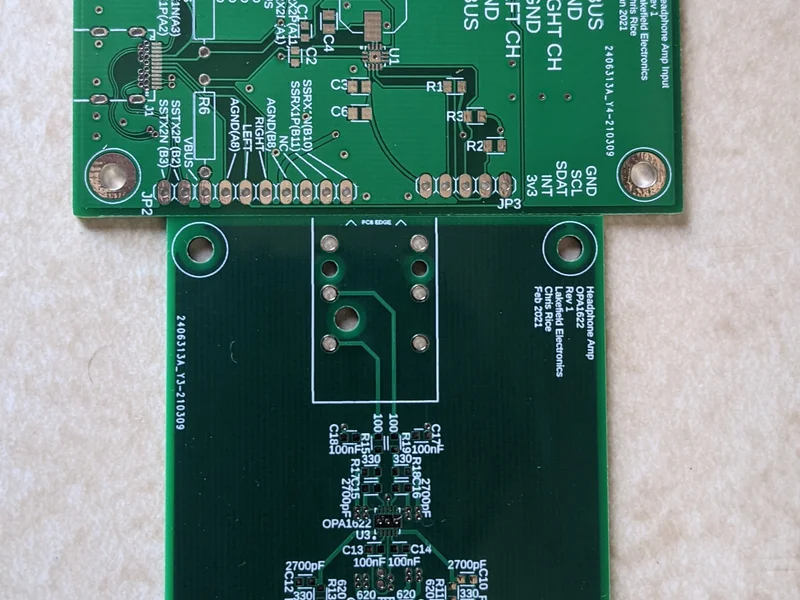
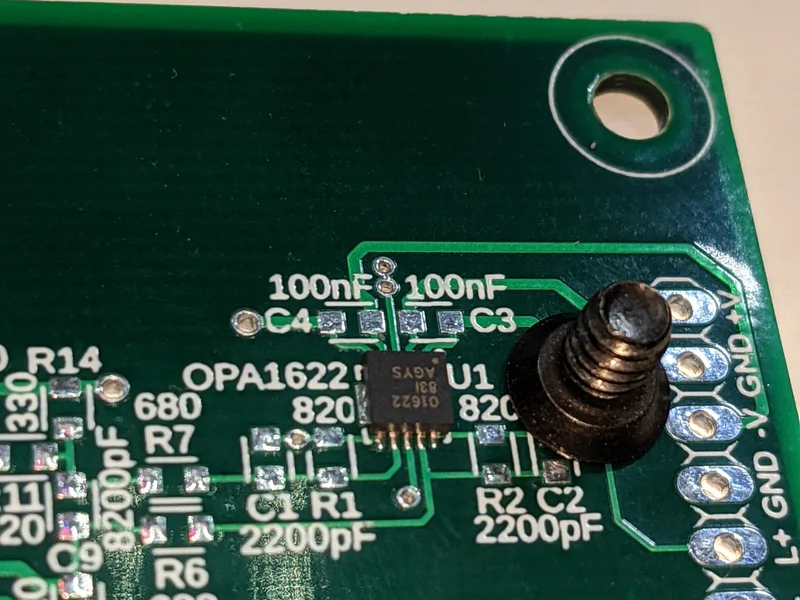
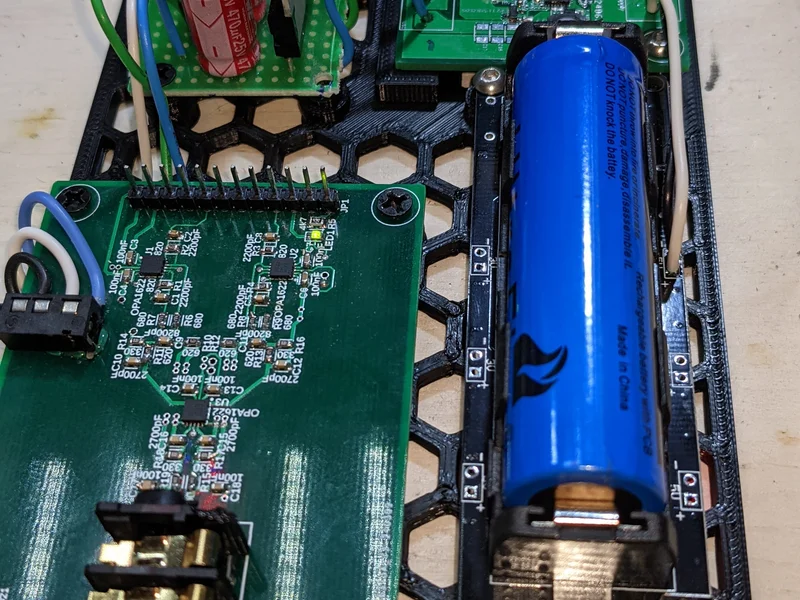
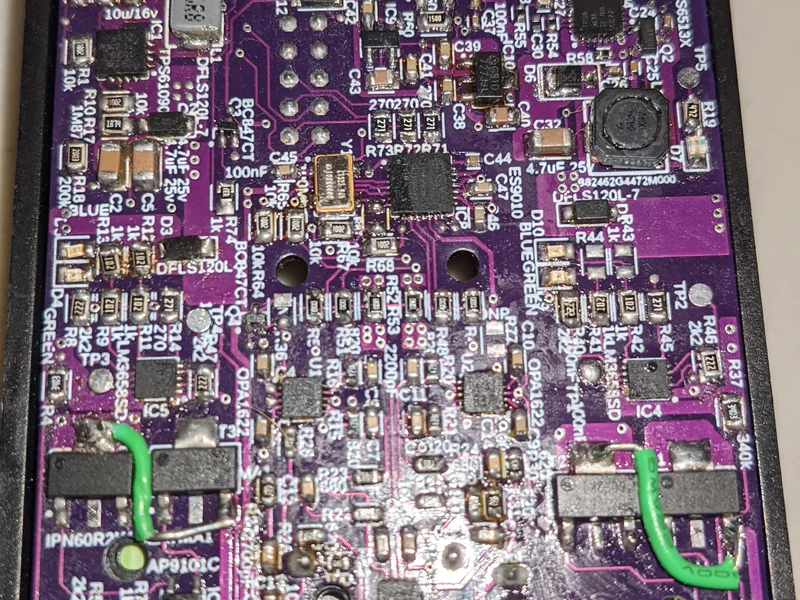
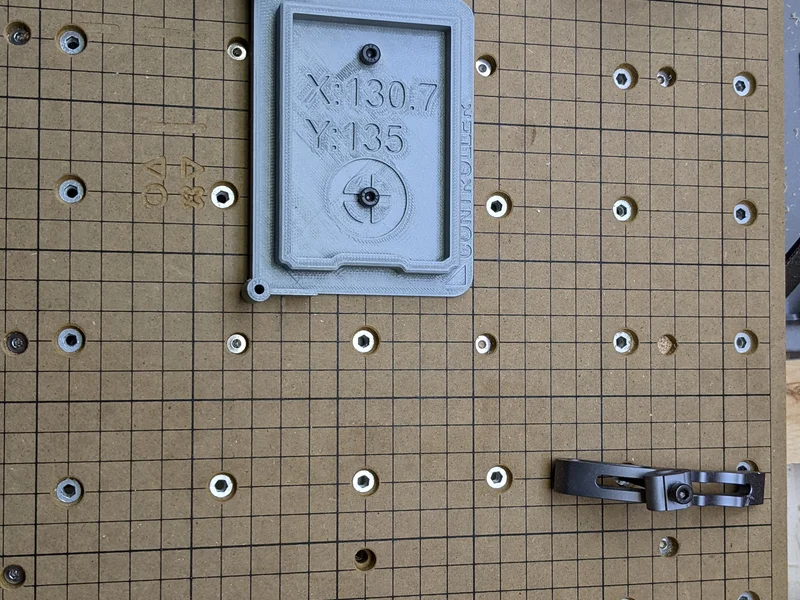
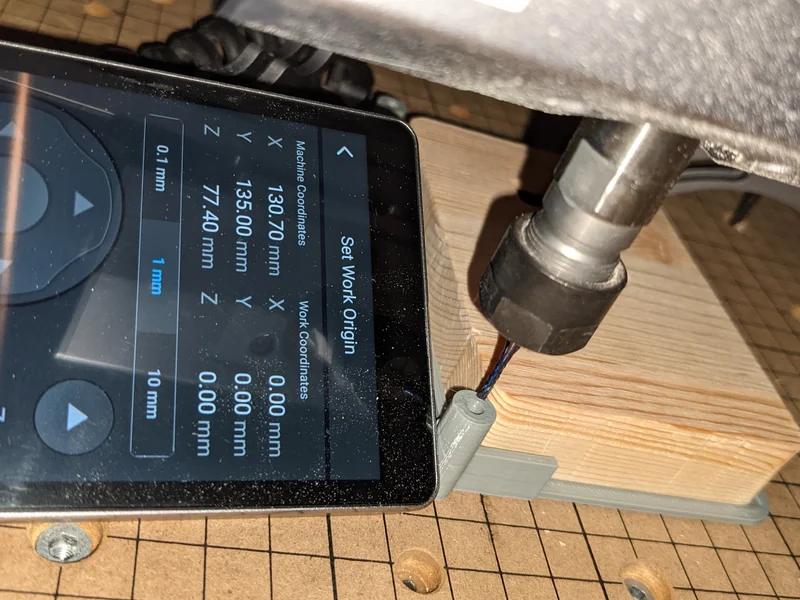
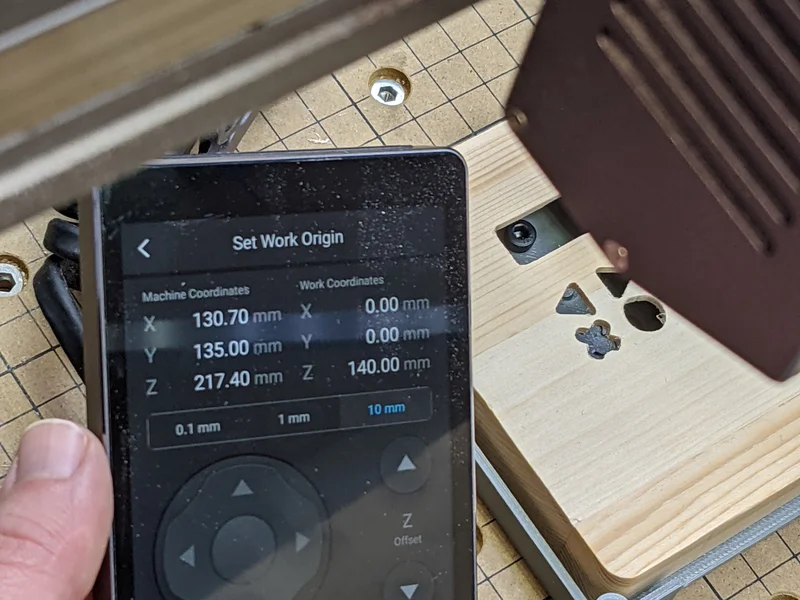
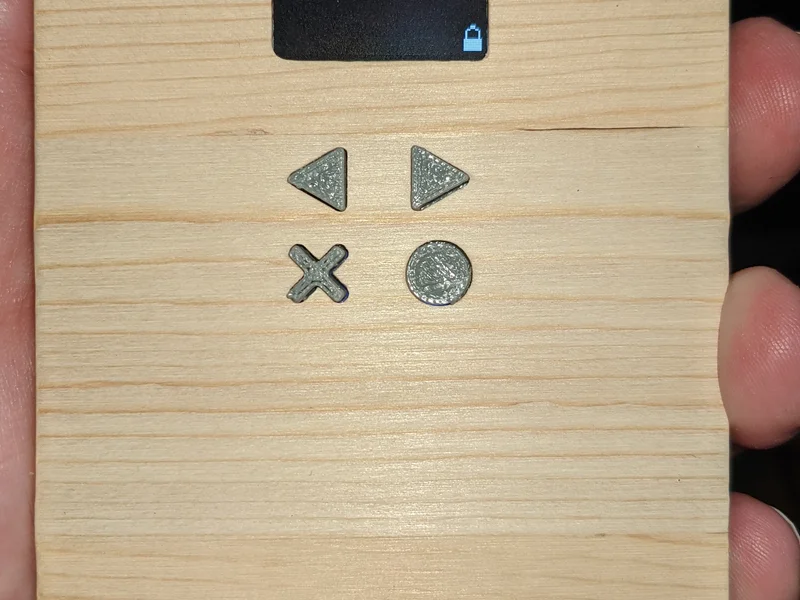
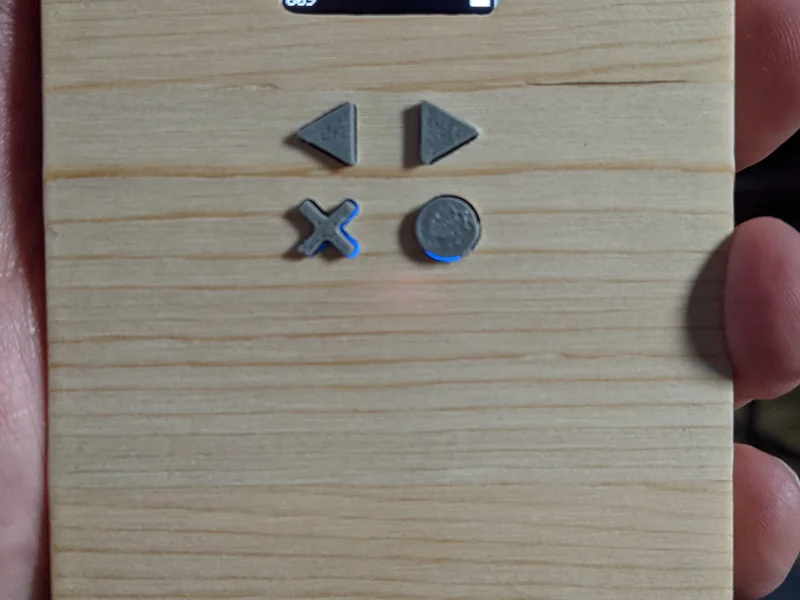
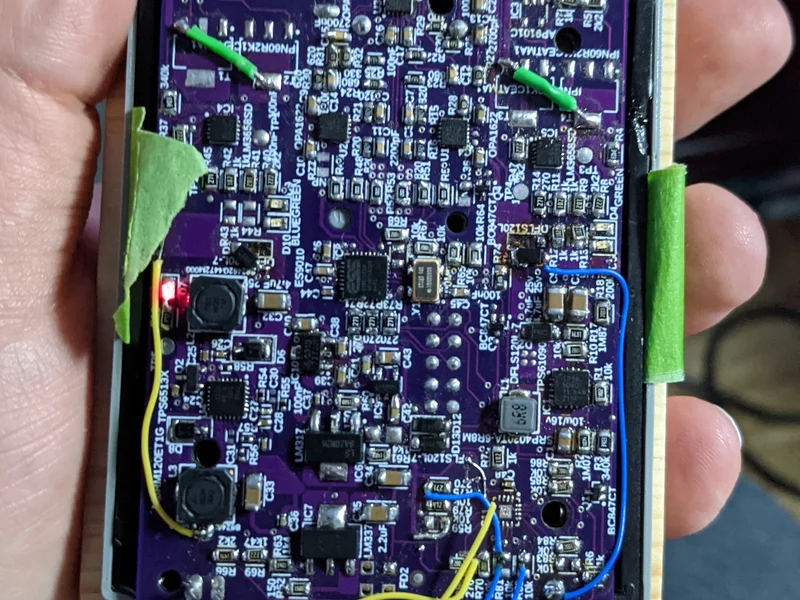
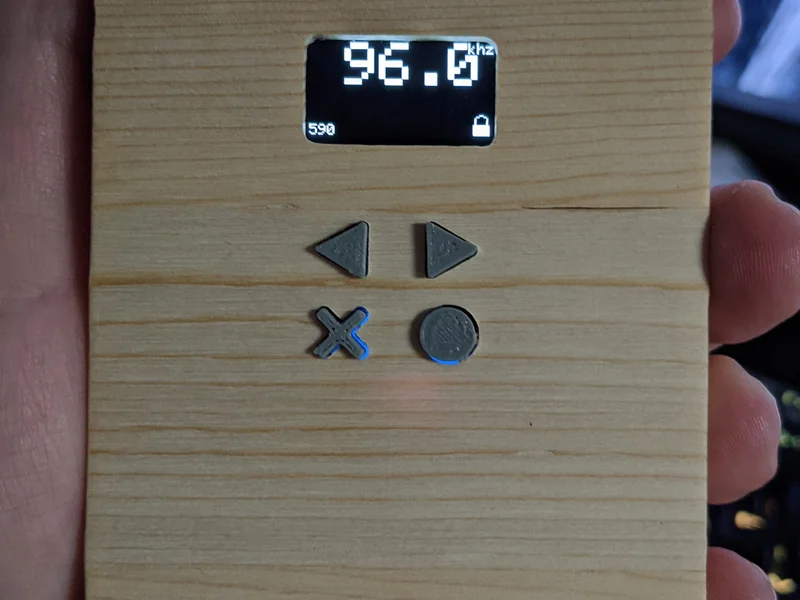
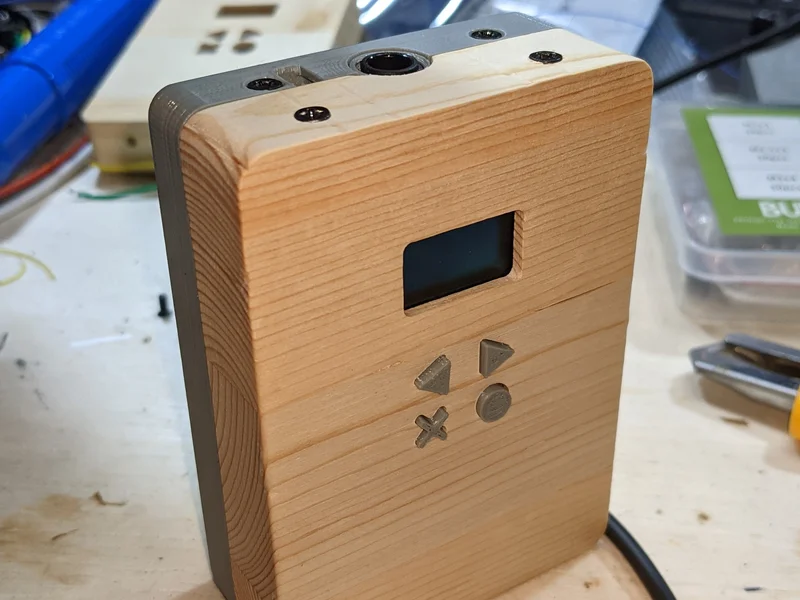
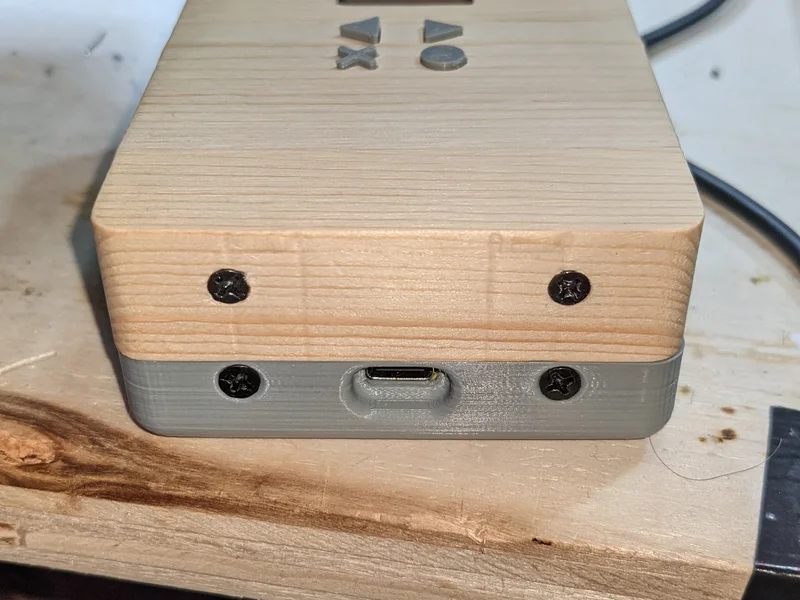
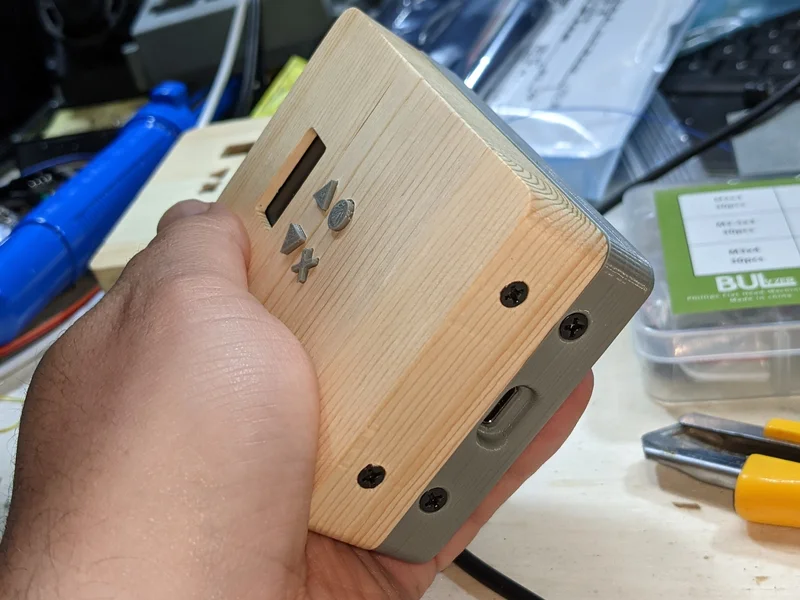
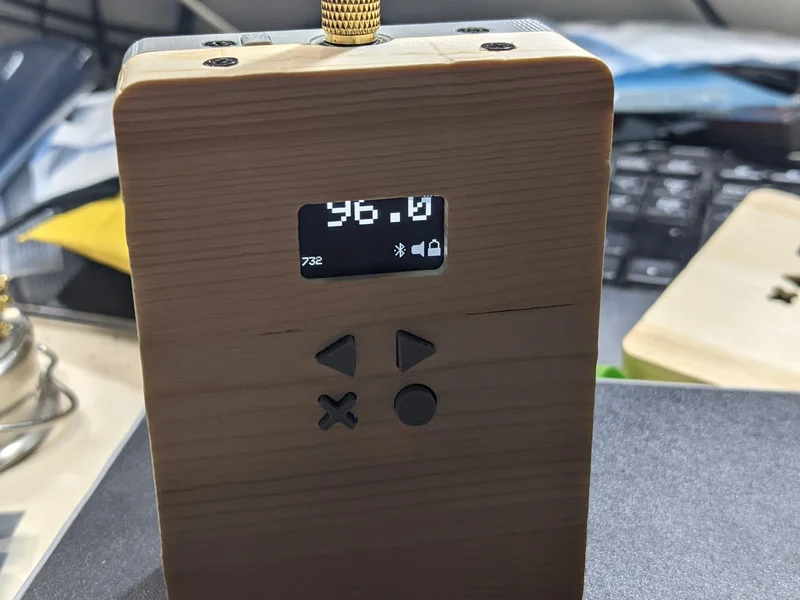
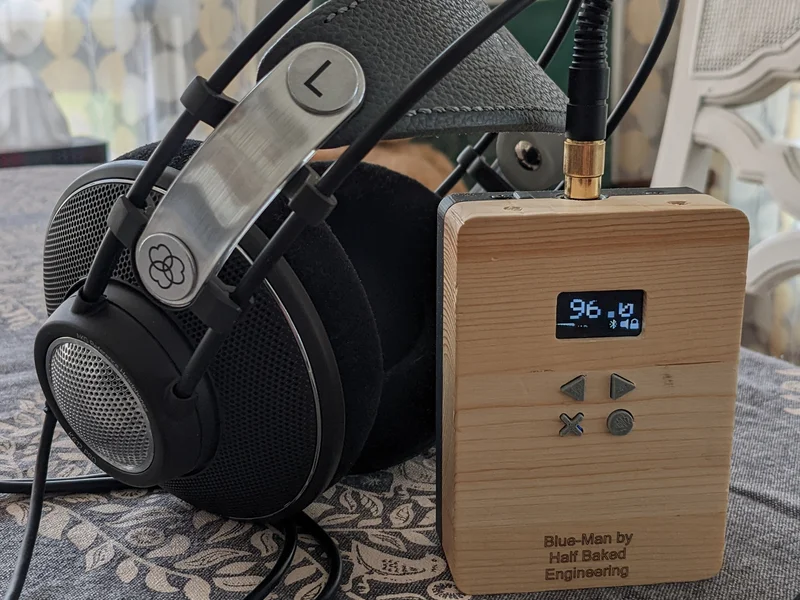
BluMan Build Gallery
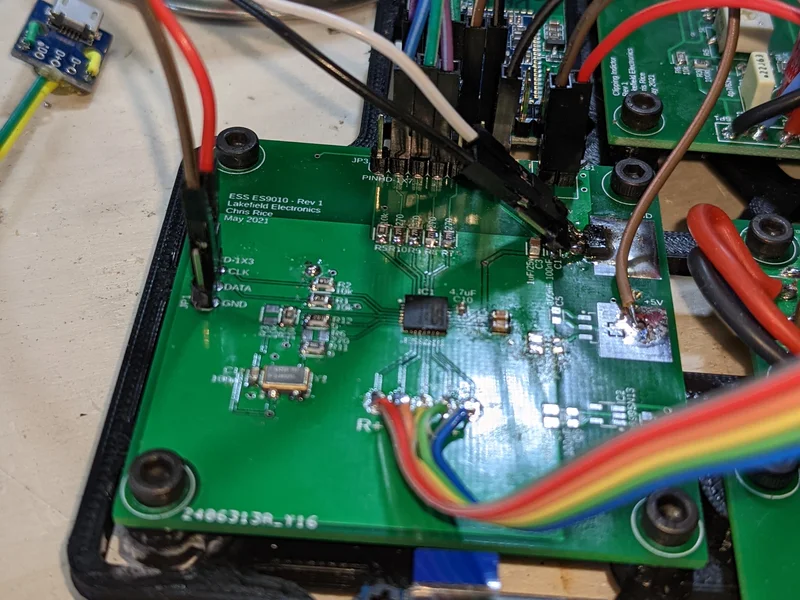
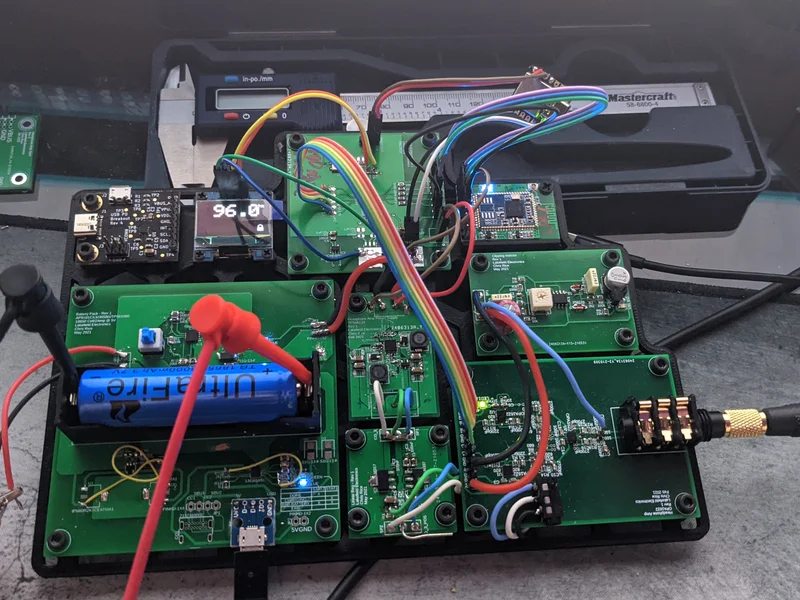
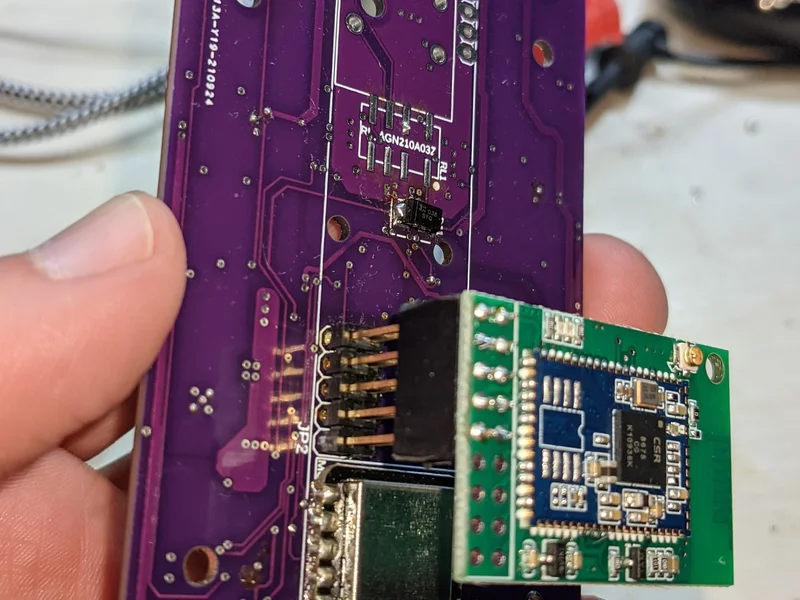
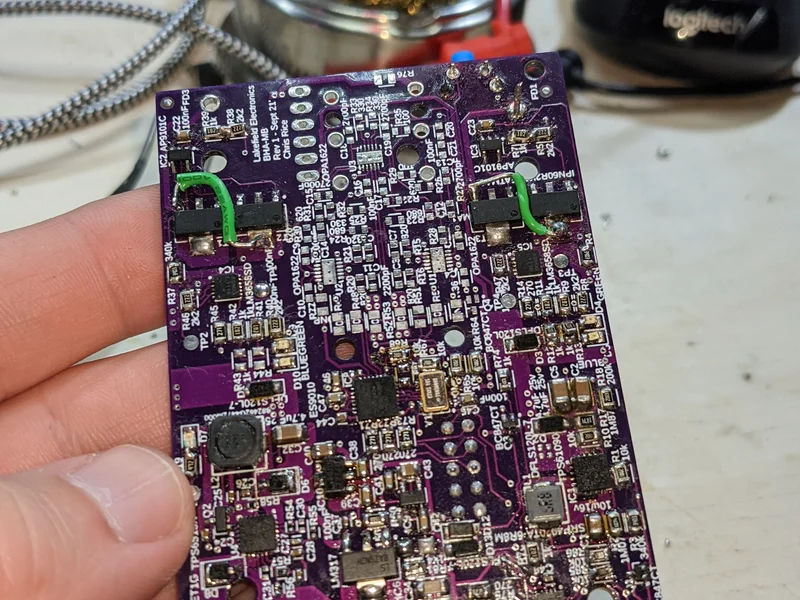
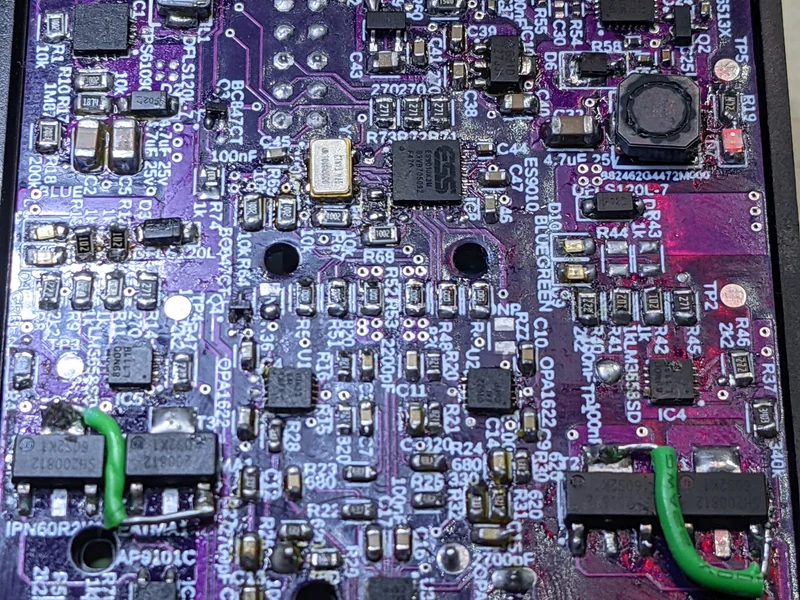
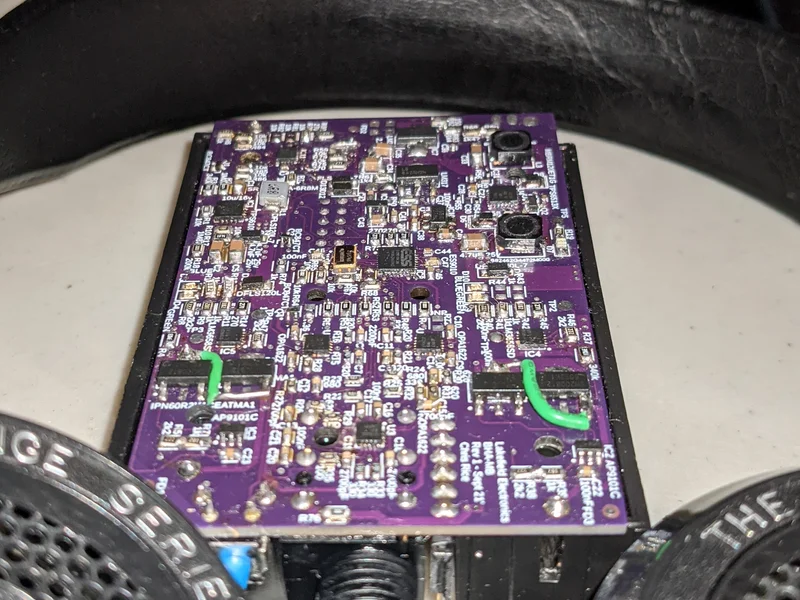
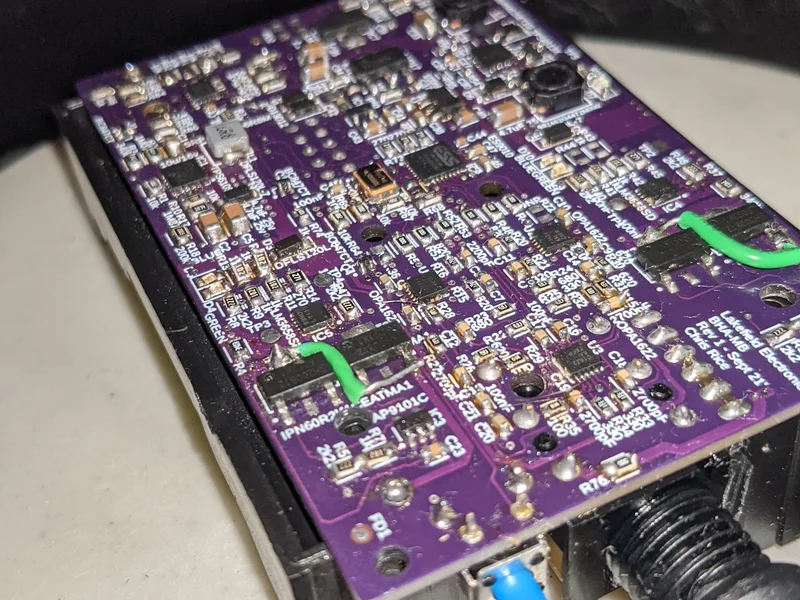
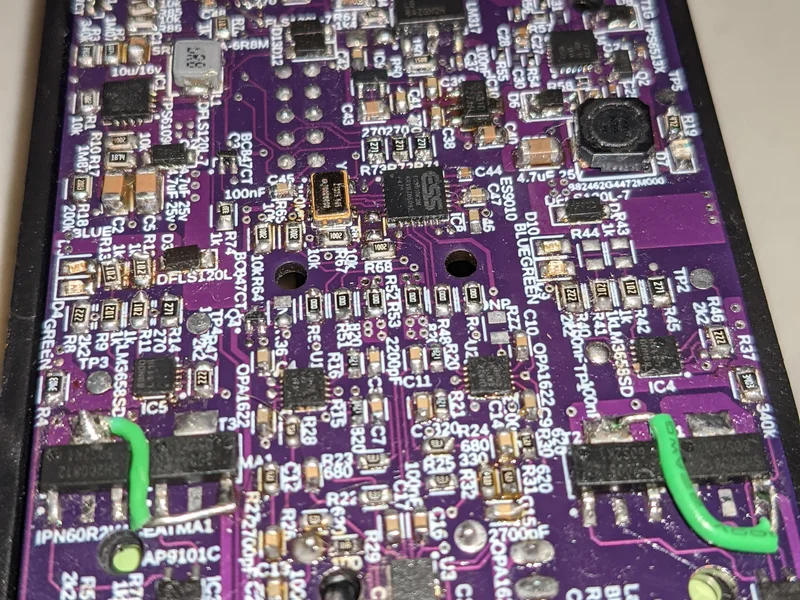

System Architecture
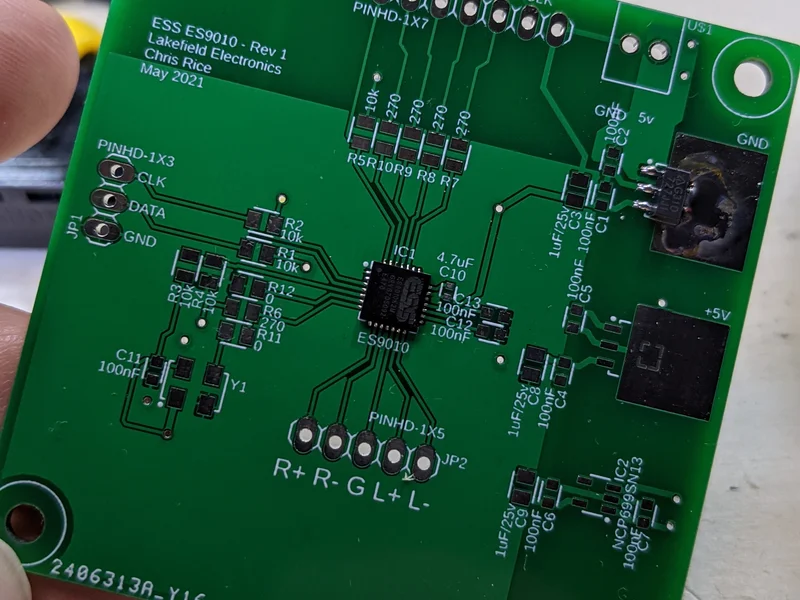
The audio path starts with a Bluetooth module that supports high-bitrate codecs such as LDAC. The module outputs digital PCM audio over I²S, along with status signals used by the controller. That PCM stream is fed into an ESS ES9010 DAC, which converts the digital audio into a differential analog signal.
From there, the DAC output is routed through filtering and into an OPA1622-based headphone amplifier stage. This section is intentionally conservative and closely follows the manufacturer’s recommended design, including the feedback network, output stability components, local decoupling, mute control, and amplifier enable handling.
A small microcontroller handles the user interface and housekeeping tasks, including button input, power control, mute control, amplifier enable, battery level monitoring, charge status, Bluetooth status, and the OLED display. The display shows the incoming audio format, battery charge level, and Bluetooth connection state.
Power System
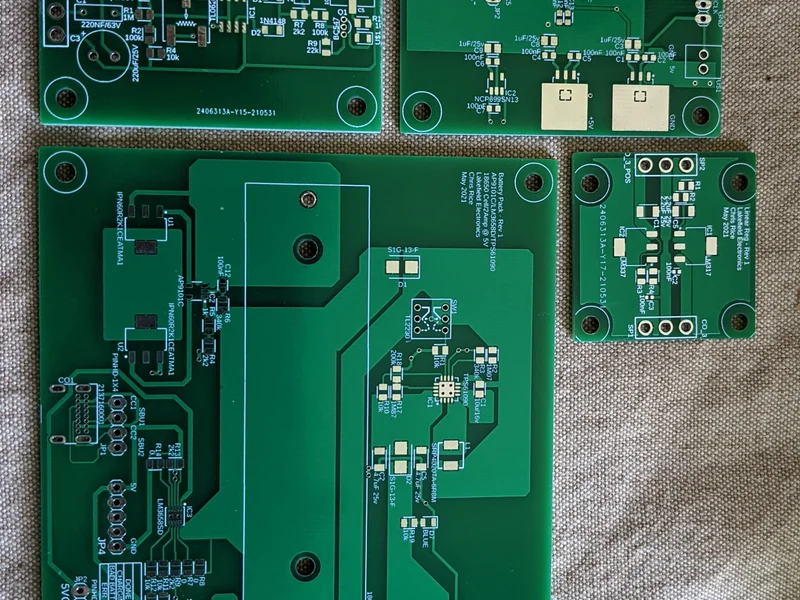
The power system ended up being one of the more involved parts of the design. The unit runs from lithium cells with onboard charging, battery monitoring, and power control. A boost converter generates the main 5 V rail, while local regulators provide the lower-voltage digital supplies required by the Bluetooth module, DAC, controller, and display.
The analog headphone amplifier section uses dedicated positive and negative rails generated from the battery system. These rails are then post-regulated before feeding the amplifier stage. This keeps the analog section separated from the noisier switching and digital portions of the design.
Technical Highlights
| Area | Implementation |
|---|---|
| Bluetooth audio | LDAC-capable Bluetooth audio module |
| Digital audio | PCM/I²S audio routing |
| DAC | ESS ES9010 Sabre DAC |
| Headphone output | OPA1622-based amplifier stage |
| Control | Microcontroller-managed power, mute, UI, and status handling |
| Display | Small OLED showing audio format, battery level, and Bluetooth state |
| Power | Lithium battery, charging circuit, boost conversion, low-voltage regulators, and split-rail analog supplies |
| Enclosure | Wood-faced front panel with a 3D-printed rear shell |
Design Approach
BluMan treats the Bluetooth module as only one part of the audio chain. The rest of the design focuses on giving the DAC and headphone amplifier a clean, controlled environment: proper power sequencing, local regulation, muting, filtering, and a dedicated analog output stage.
The project also reflects my usual design bias toward complete systems rather than isolated circuits. The audio section, power system, firmware, display, user controls, battery management, enclosure, and assembly process all had to work together for the device to feel finished.
Build Notes
This was assembled by hand, including several evenings of microscope work with tweezers, solder, and a very inexpensive soldering iron. There were a few mistakes along the way, but the project eventually came together and became a surprisingly usable little headphone amp.
Battery life ended up being better than expected. It will easily last a long weekend of listening. In hindsight, I probably should have included a USB power output so the battery could also top up a phone.
What I Learned
BluMan was a useful exercise in mixed-signal integration. The individual building blocks were not exotic, but combining them into a compact battery-powered device created plenty of practical challenges: power supply noise, analog grounding, digital audio routing, user-interface wiring, enclosure fit, and hand assembly.
The result is a small, slightly overbuilt Bluetooth headphone amplifier that started as a joke and slowly became a real project.