Gamer Man Ultra Classic
DIY retro gaming handheld with custom-built components and impressive hand-assembly work
Overview
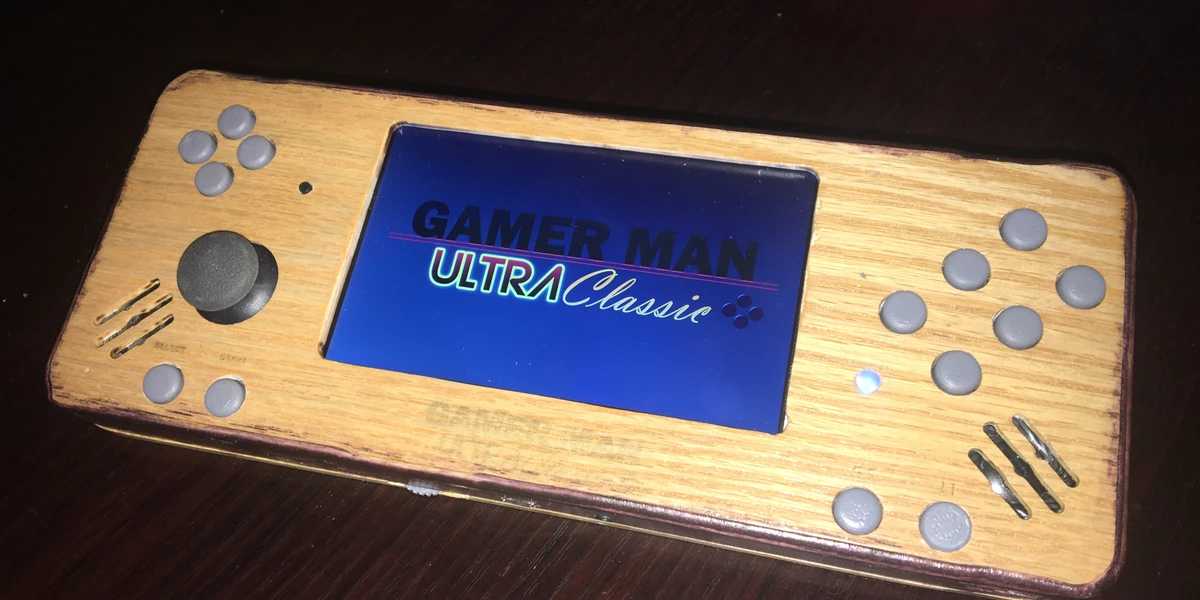
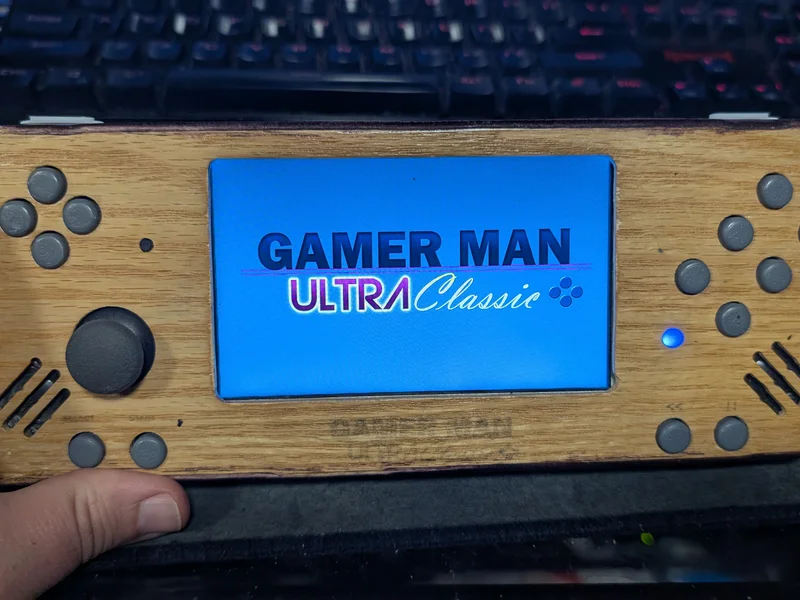
Gamer Man Ultra Classic is a custom Raspberry Pi-based handheld game console built around a compact, wood-bodied enclosure, an 800×480 display, physical game controls, battery power, and integrated audio. The project was intended as a complete handheld system rather than a loose electronics prototype, combining display driving, input handling, power monitoring, audio output, enclosure fabrication, and software configuration into a single portable device.
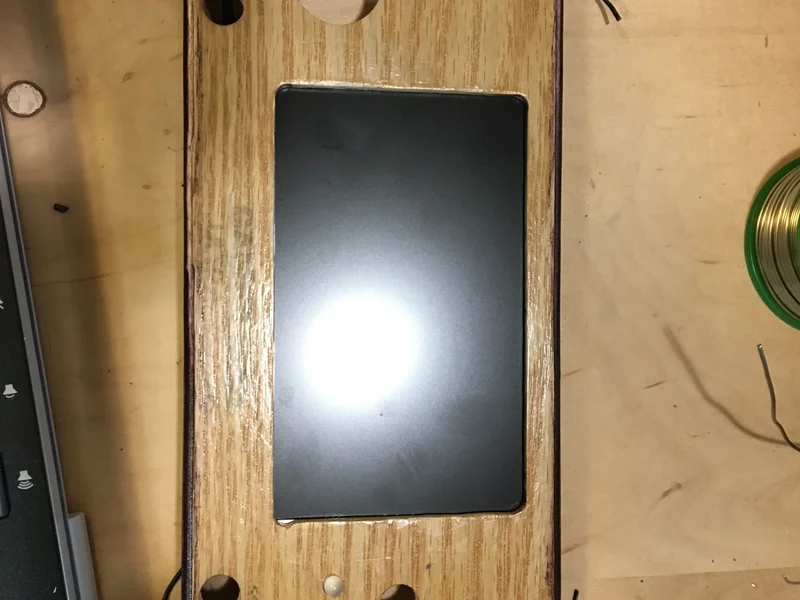
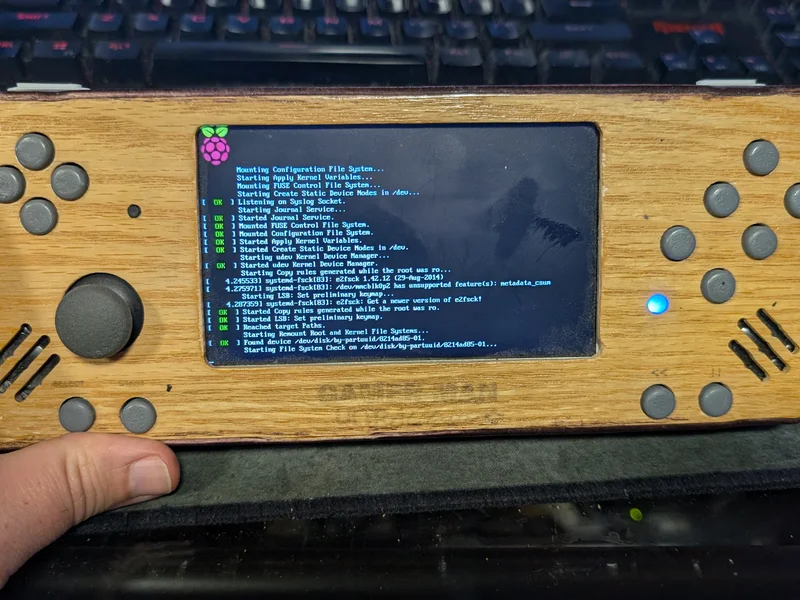
The display is an 800×480 RGB565 panel driven directly from the Raspberry Pi using the GPIO DPI interface. This gives the system a much sharper and more usable display than a typical small SPI panel, while avoiding the need for an HDMI driver board inside the enclosure. The Raspberry Pi documentation made the DPI configuration relatively straightforward, but the display consumes a significant portion of the available GPIO pins, which influenced the rest of the hardware design.
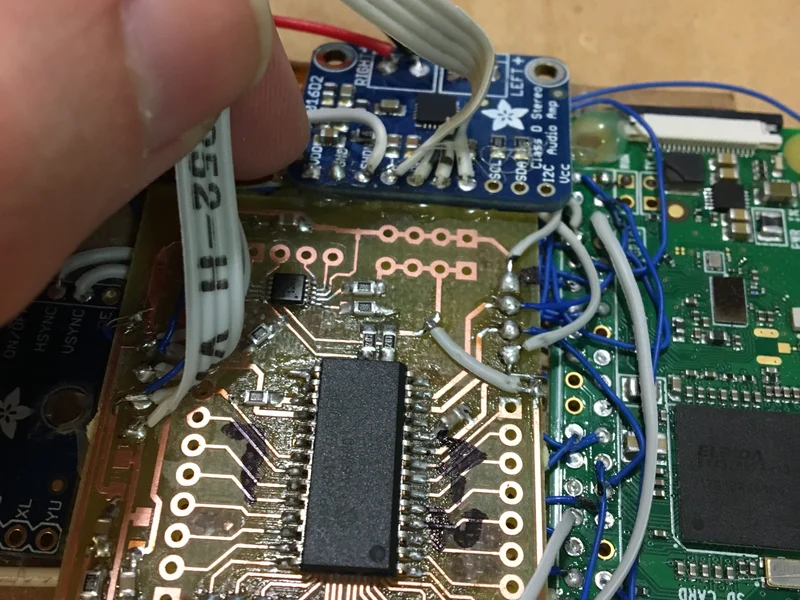
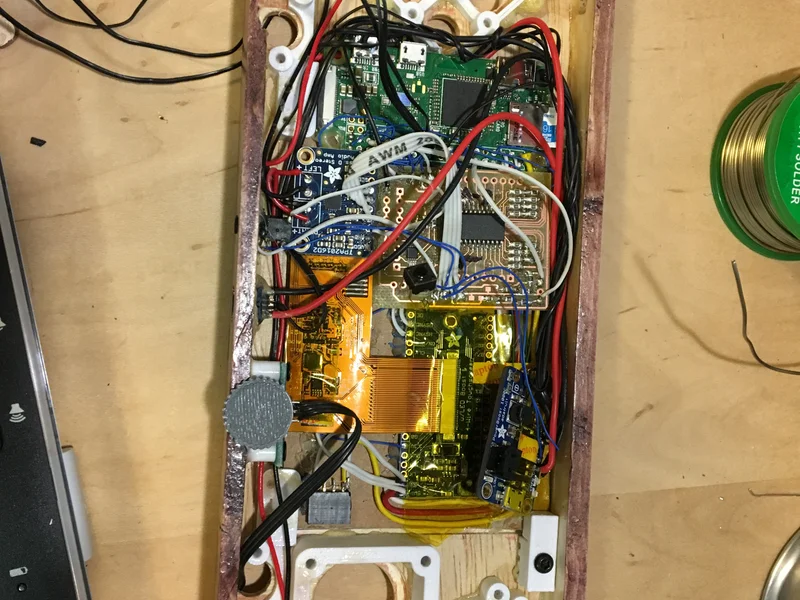
To preserve GPIO availability, the remaining controls and analog sensing were moved onto an I²C bus. A 16-bit I/O expander handles the digital button inputs, while a 4-channel ADC reads the analog joystick and battery voltage. The joystick uses two ADC channels for X and Y position, while another channel is used for battery monitoring through a voltage divider. This allowed the handheld to support a full digital control set, analog input, and battery status monitoring without requiring large numbers of direct Raspberry Pi GPIO connections.
The audio system is deliberately simple and is the weakest part of the design. The speakers are driven using PWM output from two spare Raspberry Pi GPIO pins, followed by a low-pass filter. This approach works for basic game audio and allowed the design to avoid a separate audio DAC, but the output is still somewhat noisy. The noise is likely a combination of the limitations of GPIO PWM audio, the electrically noisy environment inside the handheld, and the proximity of the audio wiring to high-speed digital signals from the display interface. A future revision would likely replace this section with an I²S DAC or a small I²S amplifier module.
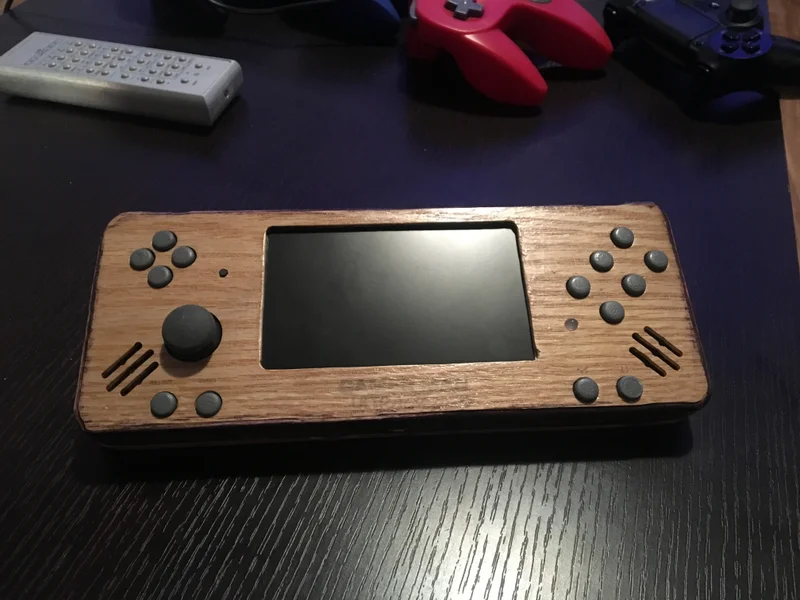
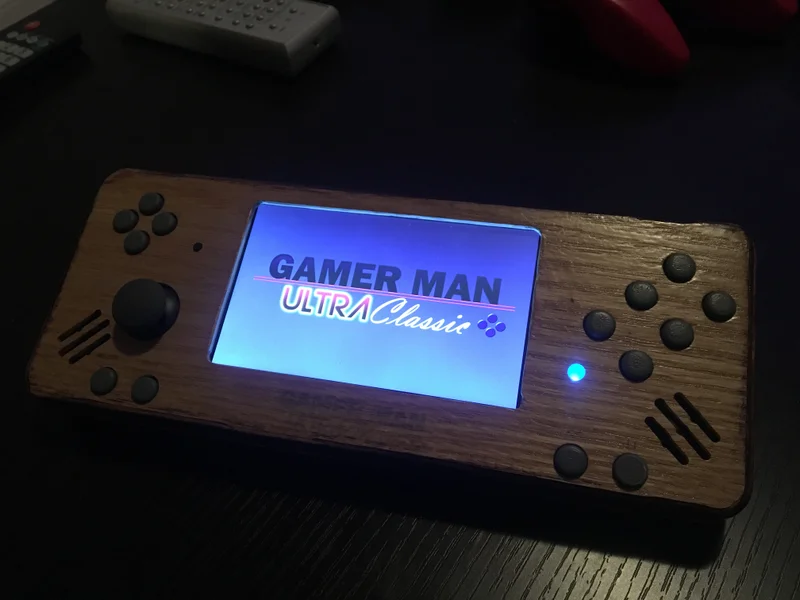
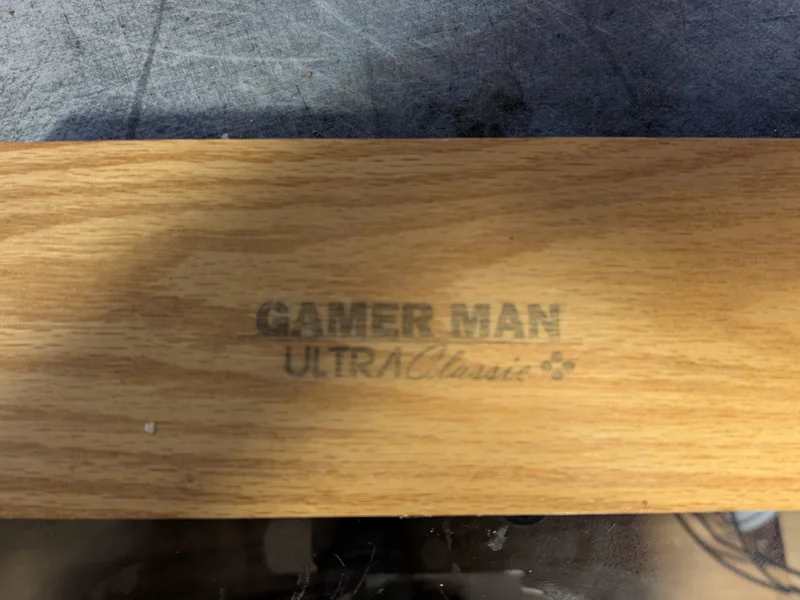
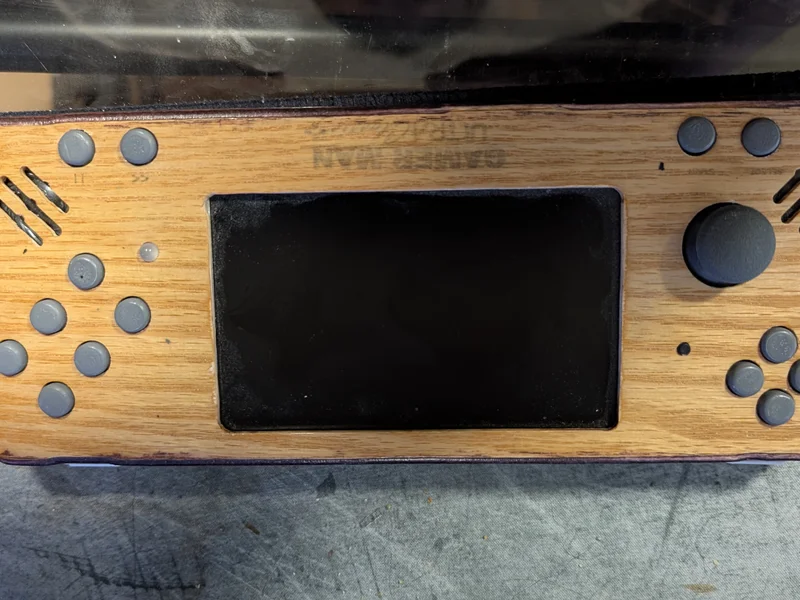
The enclosure was hand-built from wood rather than CNC-cut or laser-cut. The graphics and labeling were applied using a mirrored laser-printer toner transfer process, giving the device a retro, slightly worn-in appearance. This made it possible to add custom branding and text without commercial printing, laser engraving, or specialized finishing equipment. The result is intentionally handmade, with a visual style somewhere between a homebrew computer, a prototype game console, and a toy from an alternate timeline.
Gamer Man Ultra Classic Gallery
Design Goals
The main goal of the project was to build a functional portable game console using accessible parts and fabrication methods. Rather than using an off-the-shelf handheld kit, the system was designed around direct hardware integration: a Raspberry Pi, a raw DPI display, external input expansion, battery monitoring, speakers, and a handmade enclosure.
Key goals included:
- Use a high-resolution 800×480 display suitable for emulator menus and retro games
- Drive the display directly from the Raspberry Pi without HDMI conversion hardware
- Preserve GPIO availability by moving controls and analog sensing onto I²C
- Include both digital controls and an analog joystick
- Monitor battery voltage in software
- Integrate speakers into the enclosure
- Build the enclosure using hand tools and low-cost fabrication methods
- Give the project a finished identity through custom labeling and graphics
Hardware Architecture
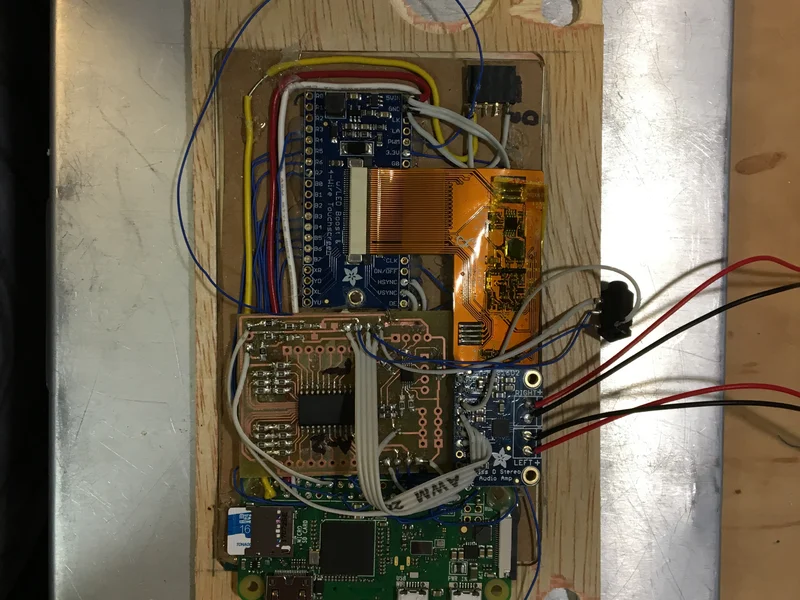
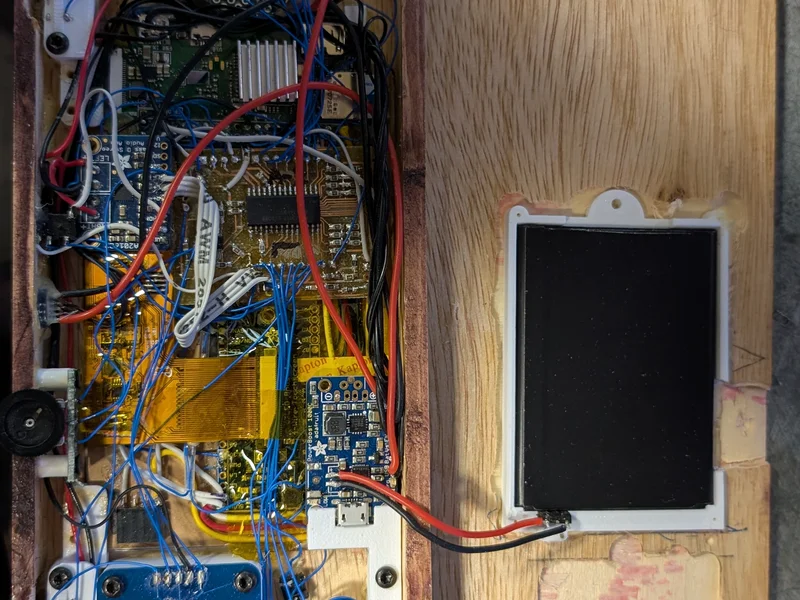
The Raspberry Pi is the central controller for the system. It drives the display directly through its GPIO DPI interface, using a 16-bit RGB565 parallel data bus along with the required timing signals. This provides a native 800×480 framebuffer suitable for Linux, emulator frontends, and retro game output.
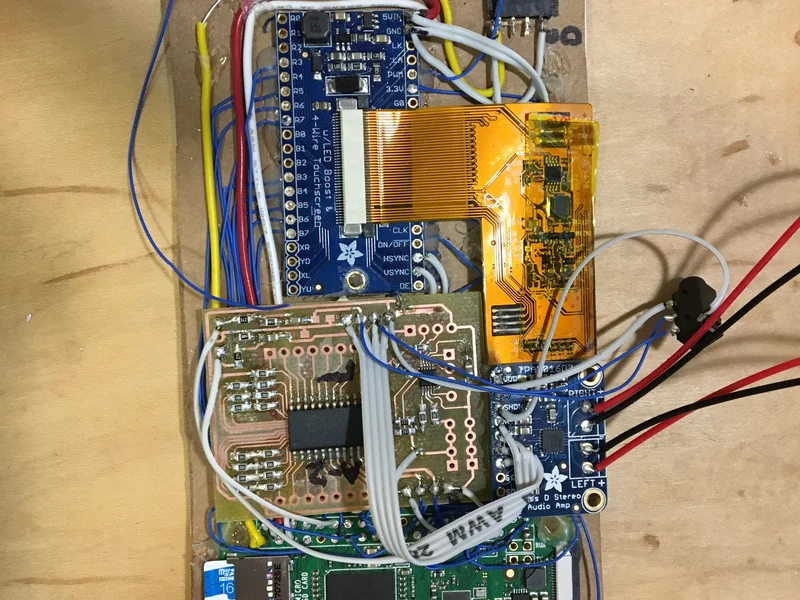
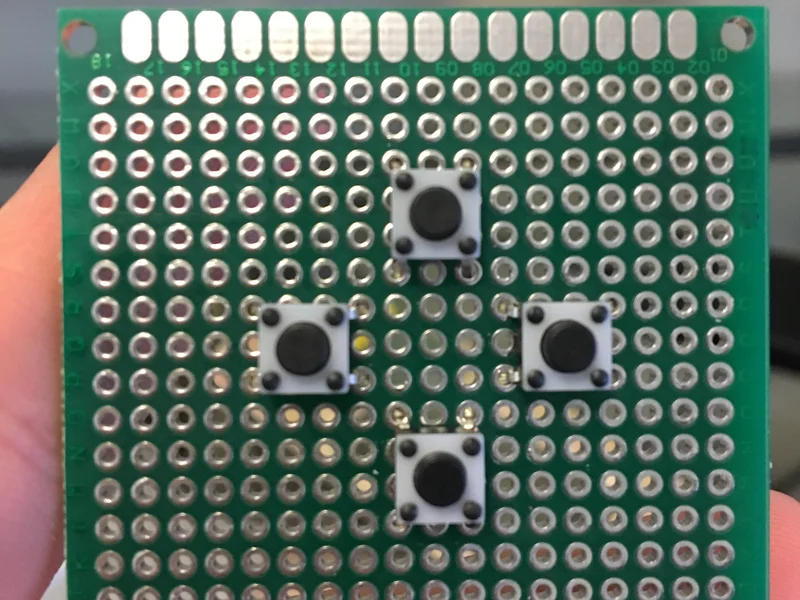
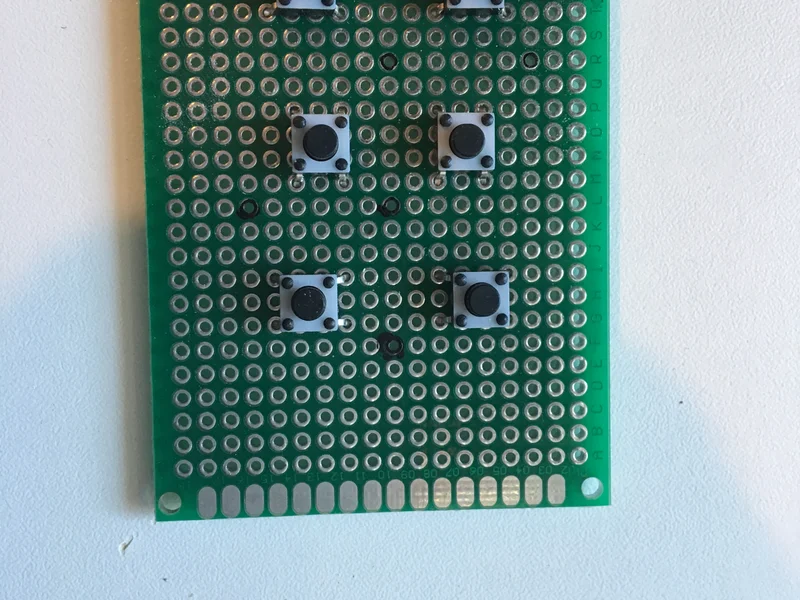
Because the DPI display consumes most of the Raspberry Pi GPIO header, the control system uses I²C expansion instead of direct GPIO wiring. A 16-bit I/O expander is used for the push buttons, allowing a larger number of controls to be read using only the I²C data and clock lines. A separate 4-channel ADC shares the same I²C bus and provides analog input support.
The ADC handles the analog joystick and battery voltage measurement. Two channels are used for joystick position, and one channel monitors the battery through a resistor divider. This gives the software enough information to provide battery feedback and potentially trigger low-battery warnings or safe shutdown behavior.
Audio is produced using PWM from two remaining Raspberry Pi GPIO pins. The PWM output is passed through a low-pass filter before driving the speaker stage. This was a practical use of the remaining available hardware resources, but it is not a high-fidelity audio solution. The design works, but the speaker output remains noisier than the rest of the system would ideally justify.
Enclosure and Fabrication
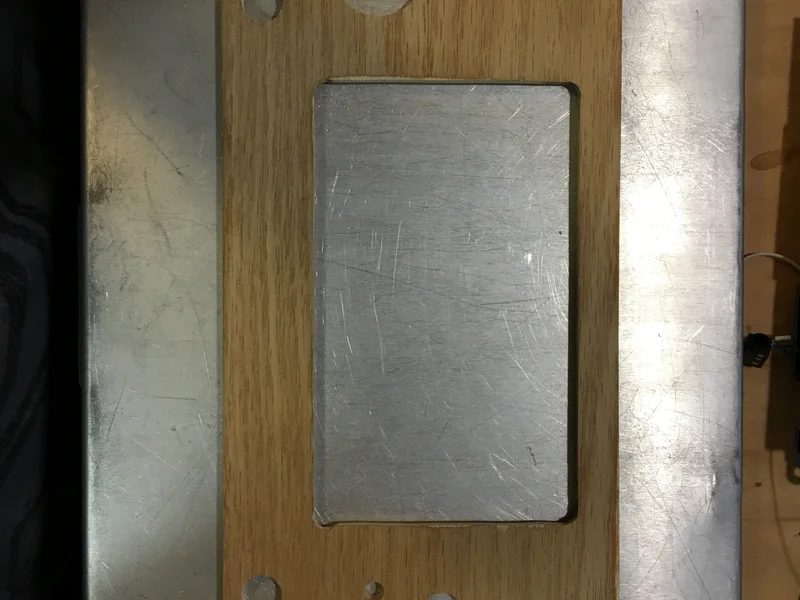
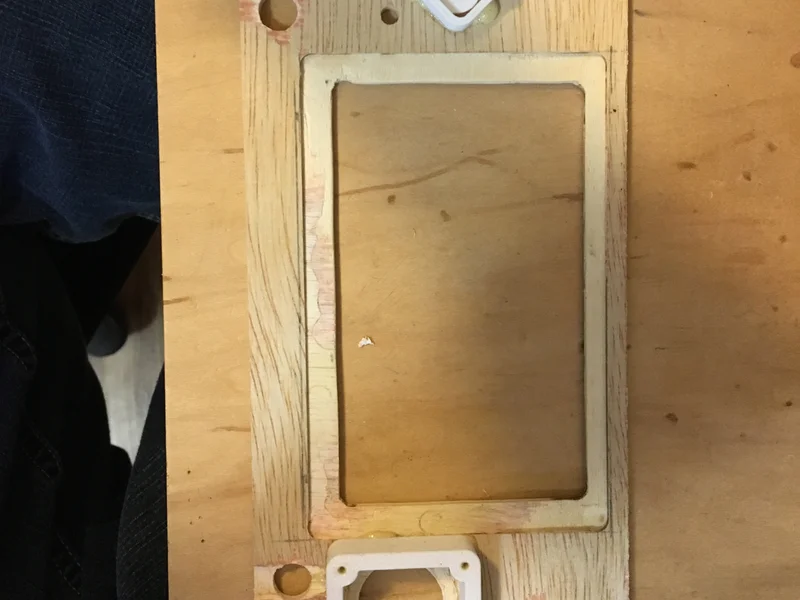
The enclosure is made from wood and was fabricated without traditional CNC machining or laser cutting. Openings for the display, buttons, speakers, and connectors were hand-worked, giving the device a very physical prototype character.
The front and rear graphics were applied using toner transfer. The artwork was mirrored, printed on a laser printer, then transferred onto the wood surface. This produced dark, slightly imperfect markings that suit the handmade enclosure and give the device a retro electronics feel. The “Gamer Man Ultra Classic” branding was intentionally playful and helps make the project feel like a complete object rather than just a technical assembly.
The use of wood also gives the handheld a different feel from a 3D printed or injection-molded enclosure. It is not as precise as a manufactured case, but it has a warmth and personality that fits the one-off nature of the project.
Software
The software stack is based on the Raspberry Pi running a Linux-based emulator environment. The display is configured through the Raspberry Pi DPI interface, allowing the 800×480 panel to function as the primary framebuffer display.
The input software reads digital controls through the I²C I/O expander and analog values through the I²C ADC. The analog joystick values can be interpreted in software and mapped to emulator controls. Battery voltage can also be read periodically and converted into an approximate charge/status indication.
Challenges and Tradeoffs
The biggest design constraint was GPIO availability. Driving a 16-bit parallel RGB display directly from the Raspberry Pi uses a large number of pins, leaving very little room for buttons, analog controls, or audio. Moving the controls and ADC onto I²C solved this cleanly and kept the design expandable.
The audio system was the largest compromise. PWM audio allowed the speakers to be driven using remaining GPIO pins and a simple filter circuit, but the result is somewhat noisy. This was acceptable for a prototype handheld, especially for retro game audio, but it is the first area that should be improved in a future revision.
The enclosure also reflects the tradeoff between accessibility and precision. Building the case by hand avoided the need for CNC, laser cutting, or commercial fabrication, but it also limited the precision of the openings and internal mounting. Despite that, the enclosure successfully brings the electronics together into a usable handheld form.
Future Improvements
A future revision would likely focus on improving the audio and internal wiring. Replacing the PWM audio with an I²S DAC or I²S Class-D amplifier would significantly reduce noise and free the design from the limitations of filtered GPIO audio.
The internal wiring could also be improved with custom PCBs. A dedicated button PCB, power/audio board, and cleaner connectorized wiring harness would make the system easier to assemble, repair, and reproduce. Additional strain relief and more deliberate cable routing would also improve reliability.
Possible future improvements include:
- Replace PWM audio with I²S audio
- Add a cleaner speaker amplifier stage
- Design custom PCBs for the controls and internal interconnects
- Improve battery status reporting and safe shutdown behavior
- Refine the enclosure openings and display bezel
- Add more internal mounting points and strain relief
- Improve serviceability with removable connectors
- Add ventilation or improved thermal management if needed
Summary
Gamer Man Ultra Classic is a handmade Raspberry Pi handheld console that combines a GPIO-driven 800×480 display, I²C-expanded controls, analog joystick input, battery voltage monitoring, PWM audio, and a custom wood enclosure. The project is not a polished commercial-style handheld, but it successfully integrates display, controls, power, audio, software, and mechanical design into a complete working device.
The most successful parts of the project are the display integration, the I²C-based input architecture, and the handmade enclosure style. The weakest part is the PWM speaker audio, which works but remains noisy. Overall, the project demonstrates practical embedded system integration, creative fabrication, and the ability to turn a collection of parts into a functional portable product prototype.